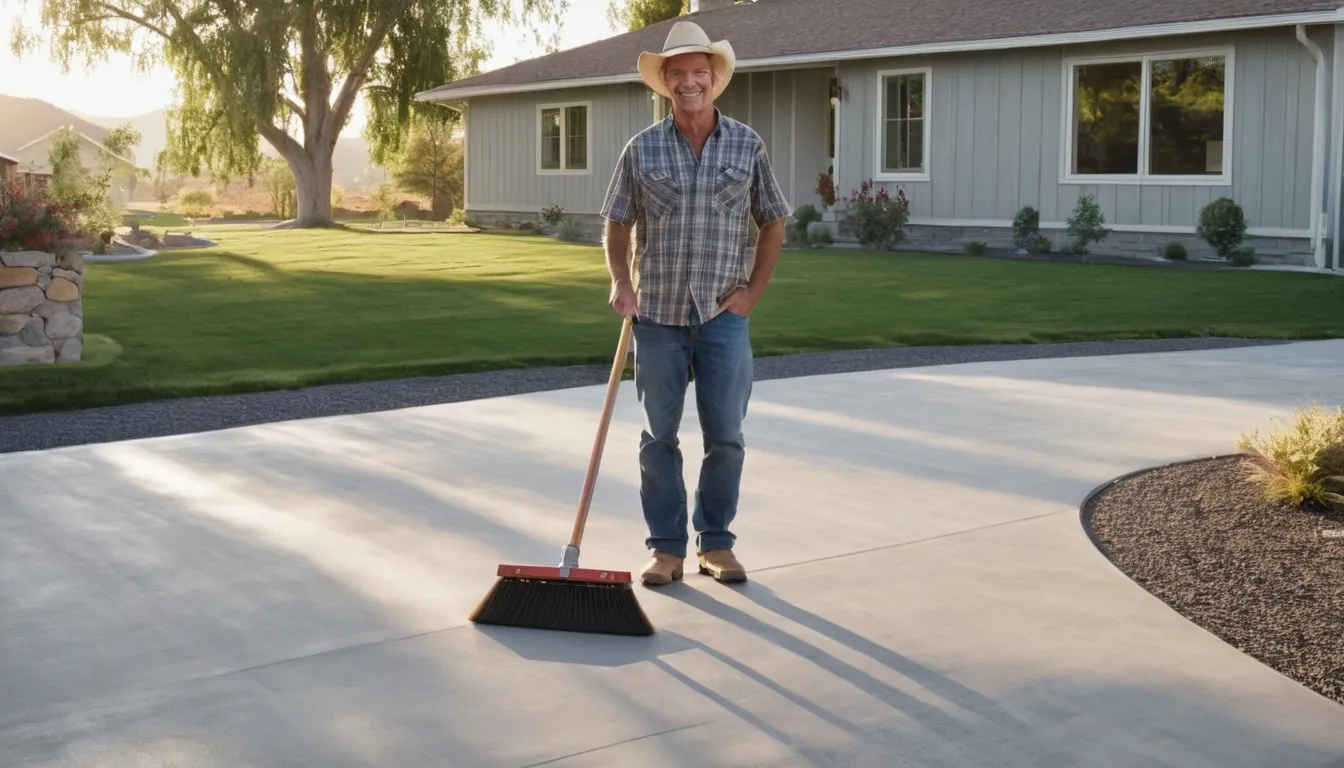
Concrete Driveways: Spot the Signs, Hire with Confidence
Request your driveway estimate
A concrete driveway takes a beating. Big temperature swings, hail, heavy trucks and spring storm runoff all push on the slab. Most driveways give warning before they fail, if you know where to look.
Racialfired Concrete is a referral service. We do not pour or finish concrete. We link homeowners in De Soto, KS with independent local providers, and we help you ask better questions first. This page covers the signs it is time for a new driveway, what the job includes, what to ask, and what to check after the pour.
Look for the warning signs first
Walk your driveway with a coffee in hand. Look slowly, from the garage door to the street. Small problems are easy to miss, and they cost less when you act early.
Cracks that keep growing
Hairline cracks are common and usually harmless. Wider cracks are different. Lay a coin in the gap. If it slips in, or one side sits higher than the other, the base underneath may be moving. Snap a photo and mark the end of the crack with a pencil. Check again in a month.
Sinking, tilting and pooling water
Pour a bucket of water near the garage. It should run toward the street, not sit in a puddle or head for the house. Standing water seeps under the slab and softens the soil. That is how slabs settle. If water runs toward your foundation, bring in foundation repair experts to look at drainage and grading, along with your driveway provider.
Flaking, crumbling and rough spots
Scaly or sandy patches mean the top layer is wearing away. Winter salt and thaw cycles speed this up. A few spots can be sealed. Widespread crumbling usually means the slab is near the end of its life.
Repair or replace?
Concrete driveway repair makes sense when damage is small and the slab is still flat and solid. Think a few narrow cracks, one chipped edge or light surface wear. Patching and sealing can buy you years.
Replacement makes more sense when you see several of these at once:
- Cracks that cross the whole slab
- Sections that rock, sink or sit at different heights
- Surface flaking over most of the driveway
- Repairs that keep coming back
A good provider will tell you which one fits. If someone pushes a full tear-out for one hairline crack, get a second opinion.
What you can safely do yourself
You can sweep, rinse and fill narrow cracks with a store-bought concrete crack filler. You can measure the driveway, mark trouble spots and keep photos. You can also clear gutters and downspouts so roof water stays off the slab.
Stop there. Breaking out old concrete, rebuilding the base and pouring a new slab need heavy tools and quick, skilled hands. Concrete sets on its own schedule. Leave the pour to a provider.
What a new driveway project includes
A complete job covers more than the pour. Expect the provider to cover removal of the old slab, hauling it away, grading and compacting the base, setting forms, placing reinforcement, pouring, finishing, and cutting joints. Check the base. A slab is only as steady as the ground under it.
Choosing size, thickness and finish
Measure the width at the street, at the garage and at the widest point. Wide lots often have room for an extra car space or a turnaround. Mark the shape with a hose or spray paint and walk it with your car parked.
Most home driveways are poured about four inches thick. Heavier vehicles or a boat trailer may call for five or six. Ask about reinforcement such as rebar or wire mesh.
A broom finish gives good grip when wet. Smooth steel-trowel finishes get slick in ice. Decorative options cost more.
Permits and the street apron
The apron is the section where your driveway meets the street. Many cities own that strip, set its width and slope, and require a permit to touch it. Ask the provider who pulls the permit and who pays for it. Call your city office to confirm the rules. Also ask about setbacks if you plan to widen the driveway.
Ask before you pour
The main angle of this site is hiring with confidence. Bring these questions to every provider and compare the answers side by side.
What a good answer sounds like
- Base prep: "We dig out soft soil, add compacted gravel and check the slope."
- Thickness and mix: a clear number and a mix suited to cold winters and salt.
- Joints: a plan for control joints so cracks form where they are meant to.
- Paperwork: proof of insurance and a written quote with scope, materials and timeline.
Red flags
- A big price with no written details
- Pressure to sign today
- A request for most of the money up front
- Vague answers about base or drainage
- No mention of permits
Get it written. If a promise is not on paper, it is only a conversation.
Plan around the weather
Big temperature swings, hail and spring storms are hard on flatwork. Concrete needs mild, dry days to cure well, so ask when the provider can work. Cold dry winters mean salt use, so ask about sealing and air-entrained mix, which helps concrete handle frost.
After the pour
Keep cars and foot traffic off until the provider says it is safe. Many providers suggest about a week for cars and longer for heavy trucks. Keep sprinklers and pets away. Expect hairline shrinkage cracks to appear along the joints. Walk the driveway once it cures, then photograph it for your records.
Seal the slab when your provider recommends. Rinse off salt and de-icers in winter. Keep an eye on the same warning signs you checked at the start, and act early.
What's Included
Old Slab Removal
The provider breaks out the cracked driveway, hauls the pieces away and clears the area.
Base and Grading
Soft soil is dug out, gravel is compacted and the slope is set to shed water.
Forms and Reinforcement
Forms shape the edges while rebar or mesh adds strength before concrete is placed.
Pour, Finish and Joints
Concrete is poured, smoothed, textured and cut with joints to guide any cracking.
Typical concrete driveway costs in the U.S.
Prices vary by size, soil, access and local labor. These are typical U.S. ranges only, so get a written quote from each provider.
| Item | Typical range | Notes |
|---|---|---|
| Standard 4-inch broom-finish slab | $6 – $12 per sq ft | Common for a basic home driveway |
| Thicker or reinforced slab | $8 – $15 per sq ft | For trucks, trailers or weak soil |
| Old slab removal and haul-away | $1 – $3 per sq ft | Depends on thickness and dump fees |
| Gravel base prep and grading | $1 – $3 per sq ft | Rises if the soil needs extra work |
| Permit and apron work | $50 – $1,500 | Varies by city and apron size |
| Sealing after curing | $0.50 – $2 per sq ft | Helps against salt and moisture |
How It Works
Walk Your Driveway
Note cracks, sunken spots and puddles. Take photos and measure length and width.
Request an Estimate
Send a short request, or request a callback to check provider availability in your area.
Compare Written Quotes
Line up scope, thickness, base work, permits and timeline from each provider side by side.
Hire and Prepare
Pick a provider, confirm the schedule, and clear cars and obstacles from the work area.
Why Call Racialfired Concrete
Ask Before You Pour
We share the questions and answers worth listening for, so you compare providers with a clear checklist.
Local Providers
Requests go to independent providers familiar with the weather and soil around De Soto.
Clear Next Steps
Tell us about your driveway, and a provider reaches out to discuss the job and quote.
No Obligation
Asking for an estimate does not commit you. Compare quotes and choose the provider you trust.
Other Services
Need concrete driveways in De Soto?
Tell us about your driveway or patio plan. Request an estimate and a local provider can follow up. Or Request a callback to check provider availability.
No obligationConcrete Driveways FAQ
How do I know if my concrete driveway needs replacing?
Look for wide cracks, sunken or uneven sections, widespread flaking and water pooling. One or two small cracks can often be patched. Several problems together usually point toward replacement, so ask a provider to assess it.
How long does a new concrete driveway take to cure?
Concrete usually takes a few days before foot traffic and about a week before regular cars. Full strength takes weeks. Ask your provider for the schedule, since weather and the mix can change it.
Do I need a permit to replace my driveway?
Often yes, especially if the work touches the street apron or changes the driveway width. Rules vary by city. Check with your local office and ask your provider who handles the permit.
Get in touch
Tell us about your driveway or patio plan. Request an estimate and a local provider can follow up. Or Request a callback to check provider availability.
No obligation